
A VPN (Virtual Private Network) is a service that creates a secure, encrypted connection between your device and the internet. It helps protect your online activity from hackers, internet service providers, and others on the same network. A VPN also hides your IP address, making it harder to track your location and browsing habits. Many people use VPNs for privacy, safer public Wi-Fi use, or to access content available in other regions, though availability depends on local laws and service policies.
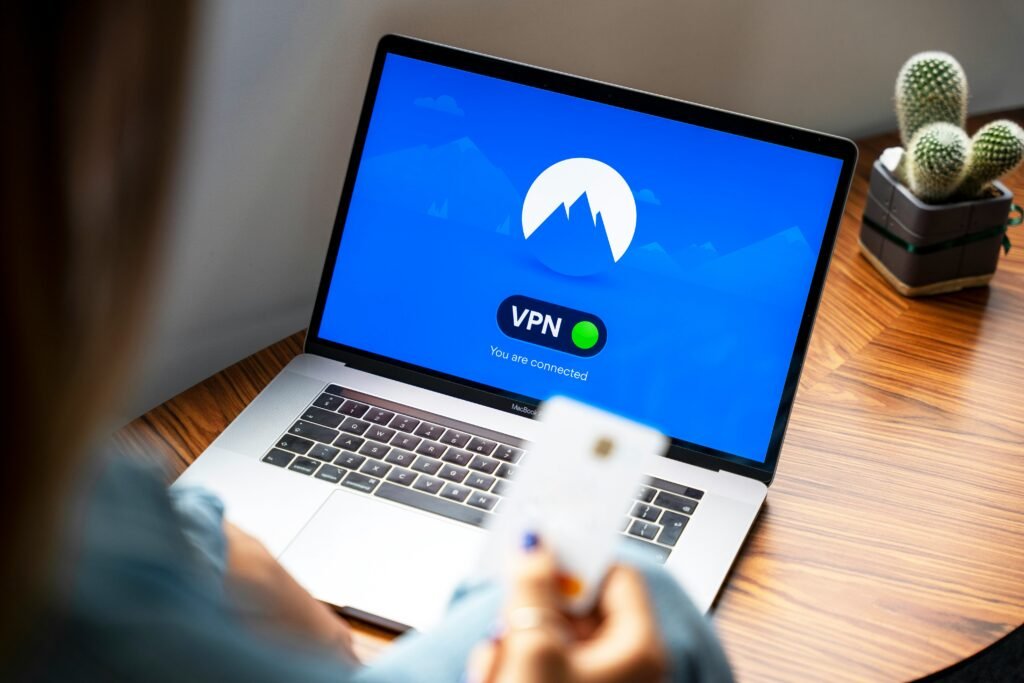
How does VPN work?
Imagine you want to send a secret letter to your friend. Instead of mailing it directly, you place it in a locked box that only a trusted courier can open. The courier takes the box, unlocks it, delivers the letter to your friend, collects the reply, locks it in the box again, and brings it back to you.
A VPN works the same way. Your device puts your internet data into a secure, encrypted “box.” The VPN server acts as the trusted courier, sending your requests to websites and returning their responses. Because others can only see the locked box—not what’s inside—your information stays private, and websites see the VPN server’s address instead of yours.
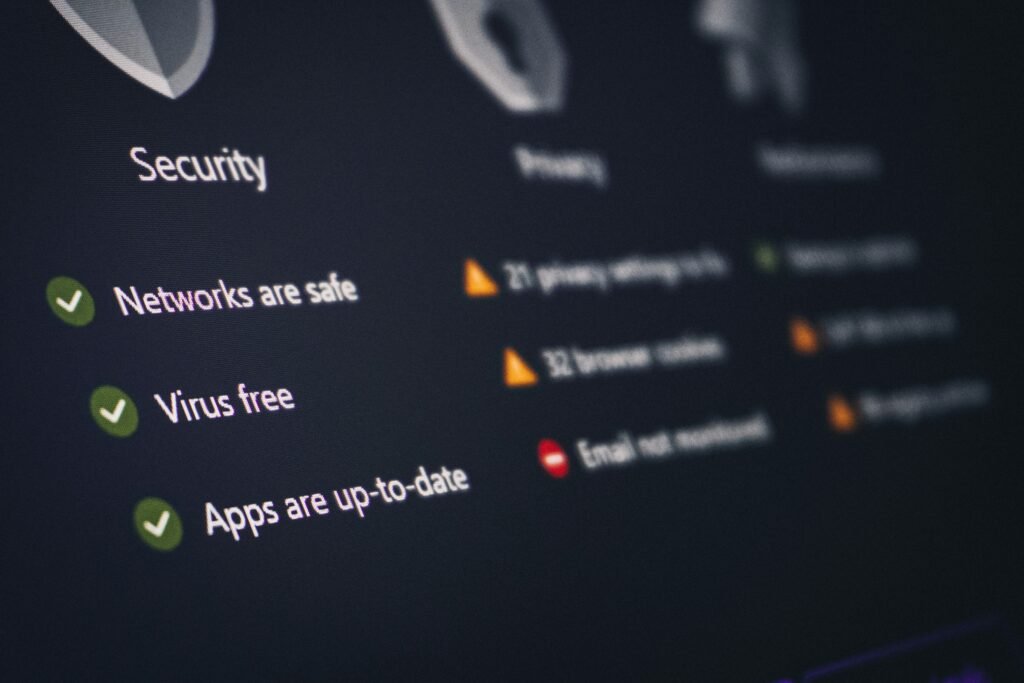
Using a free VPN can come with several risks, depending on the provider. Common risks include:
- Privacy concerns: Some free VPNs log your browsing activity and may sell your data to advertisers or other companies.
- Weak security: Not all free VPNs use strong encryption, leaving your data less protected.
- Ads and tracking: Some inject ads into your browsing or track your online behavior.
- Slow speeds and data limits: Many free services limit bandwidth or monthly data.
- Malware risk: Untrustworthy VPN apps may contain malicious software or excessive permissions.
- Fewer server options: Limited locations can reduce performance and flexibility.
- Poor reliability: Connections may drop, which can expose your real IP address if the VPN lacks a kill switch.
Not all free VPNs are unsafe, but it’s important to choose a reputable provider with a clear privacy policy and a good security track record.
Why Invest in a Premium VPN?
- Better privacy: Paid providers are generally more likely to have clear no-logs policies and stronger privacy practices.
- Fewer ads and tracking: Many free VPNs make money through advertising, tracking, or selling usage data. A reputable paid VPN usually doesn’t need to rely on that.
- Faster speeds: Paid services typically have more servers and better bandwidth, so streaming, gaming, and downloads tend to perform better.
- More server locations: You usually get access to many more countries and cities.
- More reliable connections: Paid VPNs generally have better uptime and less overcrowding.
- Stronger security features: Depending on the provider, you may get features such as a kill switch, DNS leak protection, multi-hop connections, or malware blocking.
- More devices: Paid plans often let you protect several devices under one subscription.
- Better support: Paid services commonly provide customer support, whereas free VPNs may offer little or none.
- Less restrictive: Free VPNs often impose data caps, speed limits, fewer locations, or limited protocols.
The important catch
Free doesn’t automatically mean bad, and paid doesn’t automatically mean trustworthy. Some free VPNs have good privacy practices, while some paid VPNs have questionable policies.
If privacy is your main reason for using a VPN, I’d prioritize the provider’s ownership, logging policy, independent audits, jurisdiction, and reputation over simply choosing the cheapest paid service.